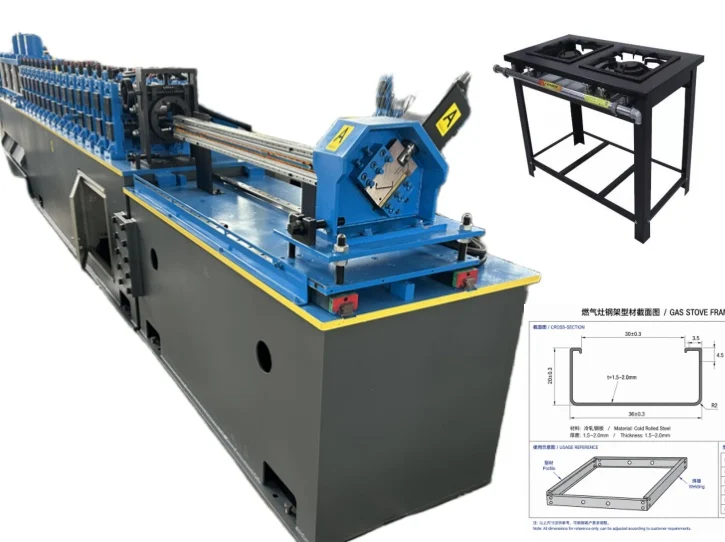
Modern kitchen appliance production is moving rapidly toward automation, precision, and continuous manufacturing. The Gas Stove Frame Roll Forming Machine is developed to meet this demand by producing stainless steel frame production line and galvanized steel frames for gas stoves, induction cookers, and built-in kitchen appliances with stable accuracy and high efficiency. It integrates multiple forming processes into one streamlined line, helping manufacturers improve output while reducing labor dependency.
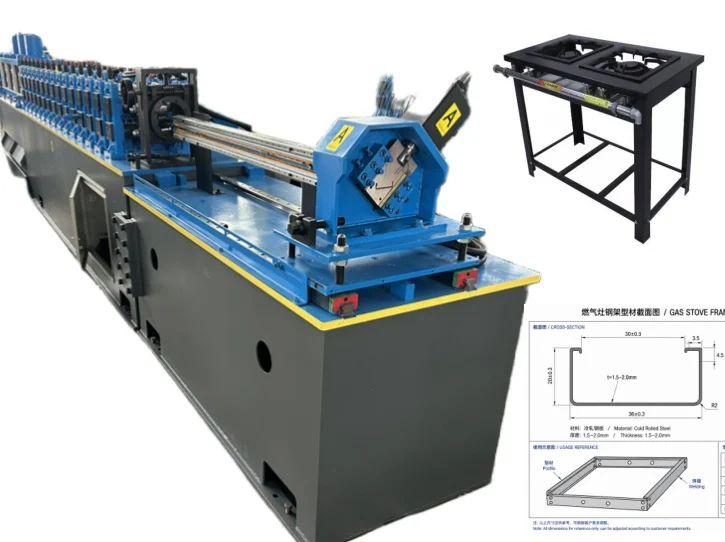
Gas Stove Frame Roll Forming Machine
Automated Continuous Production Process
The production begins with a hydraulic decoiler that smoothly unwinds metal coils and feeds them into the system. A servo feeding unit then ensures precise material positioning, which is essential for accurate punching and forming results.
After feeding, the material passes through a punching system that creates installation holes, slots, or structural openings according to the design requirements. The strip then enters the kitchen appliance roll forming machine section, where a series of forming rollers gradually shape the flat metal into a finished frame profile. Finally, a hydraulic flying cutting system completes the process by cutting the product to length without stopping production.
When required, an optional bending and corner forming system can further process the profile into complete rectangular or customized frame structures. Because all steps are synchronized, the production line runs continuously with high stability and minimal manual operation.
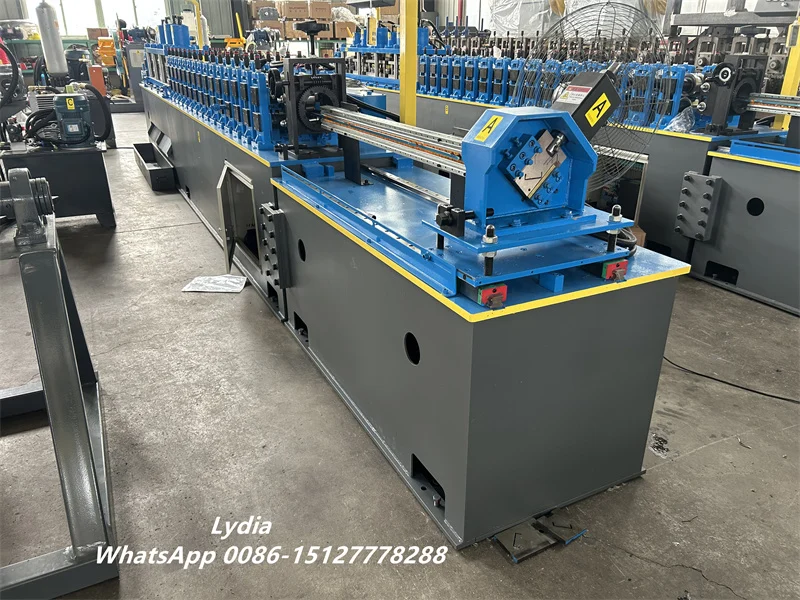
Induction Hob Frame Production Line
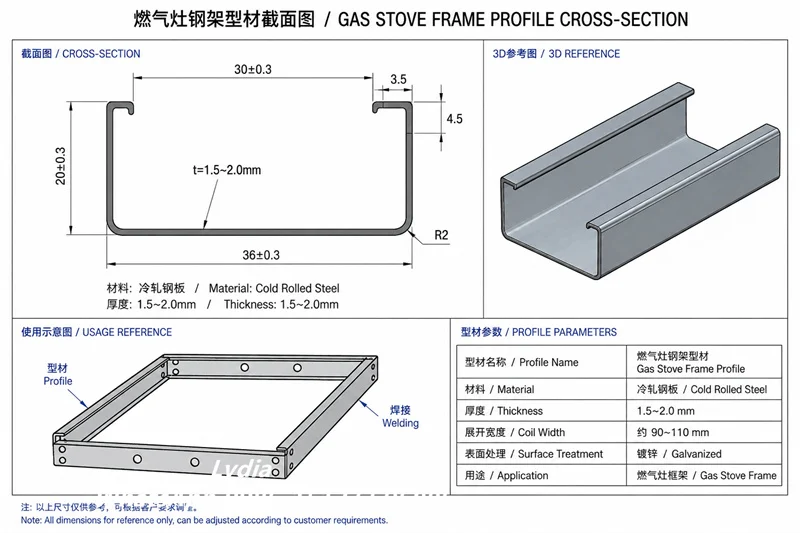
Stainless Steel Appliance Frame Machine
Integrated System Configuration of Gas Stove Frame Roll Forming Machine
A complete appliance frame making machine line is composed of several coordinated units, each contributing to precision and efficiency. The system typically includes a hydraulic decoiler for coil support, a servo feeding device for controlled material delivery, and a punching unit for forming functional openings.
The roll forming section is built with multiple stations that gradually shape the material into the target profile. After forming, the hydraulic cutting system ensures accurate length control while maintaining production continuity. A PLC control system manages the entire line, allowing operators to adjust parameters, monitor performance, and store production settings for different products.
This integrated structure ensures smooth coordination between all modules, reducing production interruptions and improving overall stability.
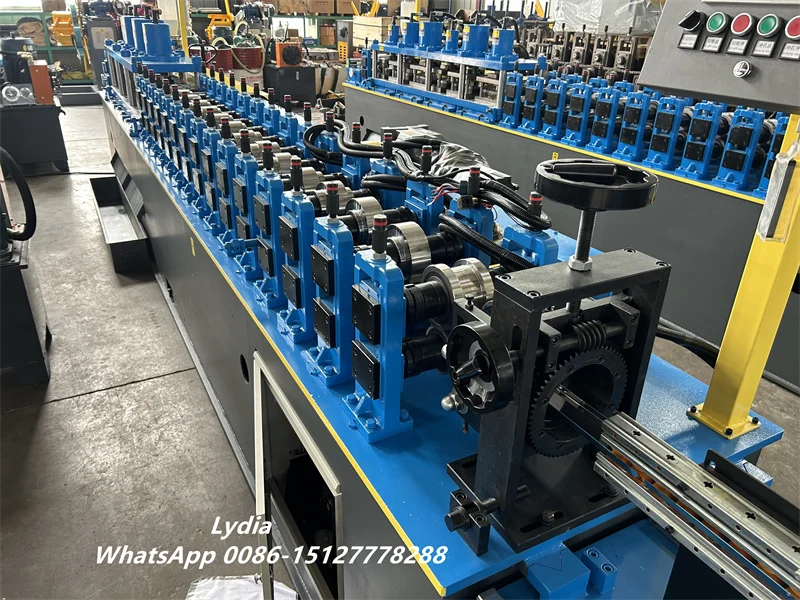
Kitchen Appliance Frame Making Machine
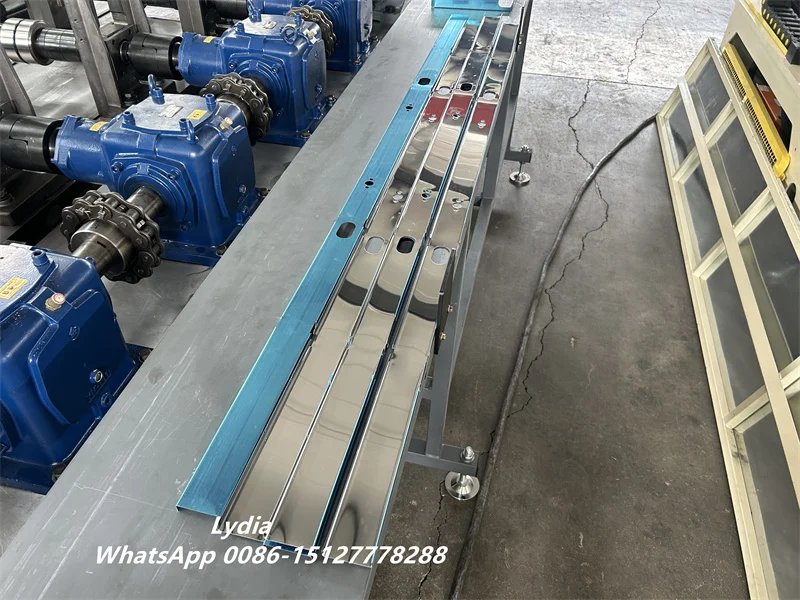
Appliance Frame Roll Forming Machine
Technical Parameters Overview
| Item | Specification |
|---|---|
| Material Type | SUS201 / SUS304 stainless steel, SGCC galvanized steel, SPCC cold rolled steel |
| Material Thickness | 0.4 – 1.5 mm |
| Coil Width | 50 – 500 mm |
| Forming Stations | 12 – 20 stations |
| Forming Speed | 10 – 30 m/min |
| Punching System | Hydraulic or servo punching |
| Cutting Method | Hydraulic flying cutting |
| Control System | PLC with touch screen interface |
| Drive Mode | Gearbox or chain transmission |
| Product Shape | Rectangular, square, customized profiles |
This flexible configuration allows adaptation to different product sizes and manufacturing requirements.
Application Areas in Kitchen Appliance Industry
This machine is widely applied in the production of gas cooker frame machine systems, where it forms structural housings and reinforcement components with high precision. It is also suitable for induction cooker frame forming machine production, providing durable stainless steel frames for modern cooktops.
In built-in kitchen systems, the machine produces decorative and structural frames that enhance both appearance and strength. For commercial kitchens, it supports the production of heavy-duty cooking equipment frames designed for long-term use.
Beyond cooking appliances, it can also be used in general home appliance manufacturing such as ovens, washing machines, and refrigeration structures where precision metal framing is required.
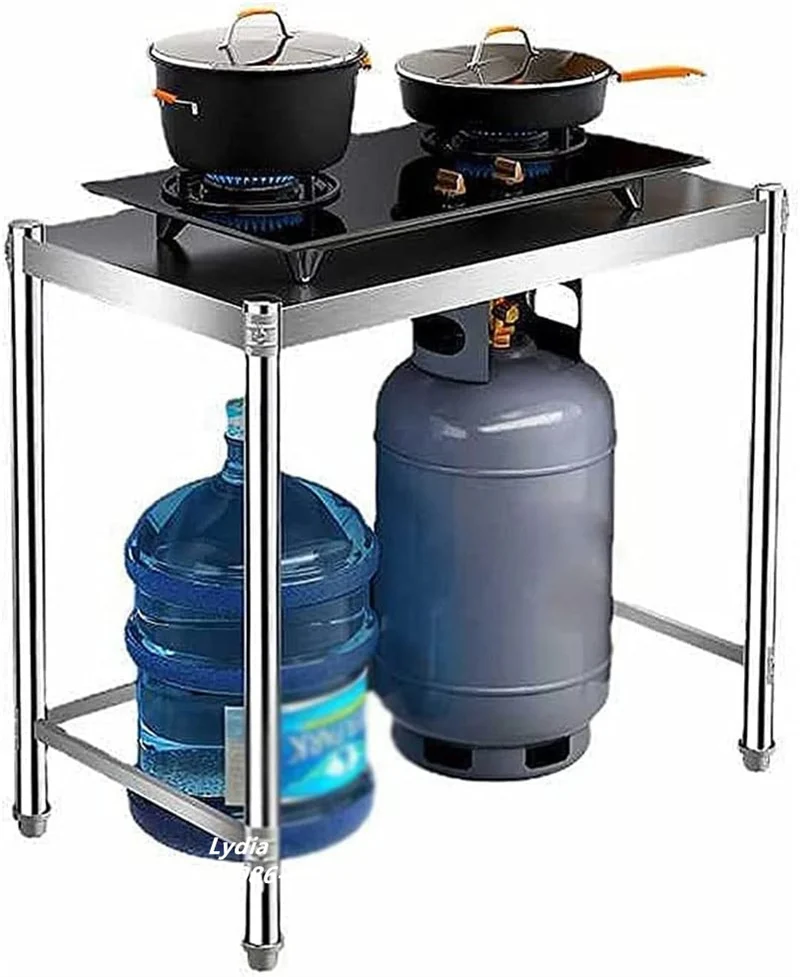
Advantages Over Traditional Manufacturing Methods
Compared with conventional stamping and manual fabrication, steel frame roll forming equipment offers a more efficient and stable production approach. Continuous forming allows much higher output while maintaining consistent product quality.
Automation reduces reliance on manual labor and helps lower overall production costs. Because every frame is formed under identical conditions, dimensional accuracy and repeatability are significantly improved.
Material utilization is also optimized during production, which reduces waste and improves cost efficiency. In addition, flexible tooling design makes it easier to adjust product specifications without complex retooling processes, allowing manufacturers to respond quickly to market demands.
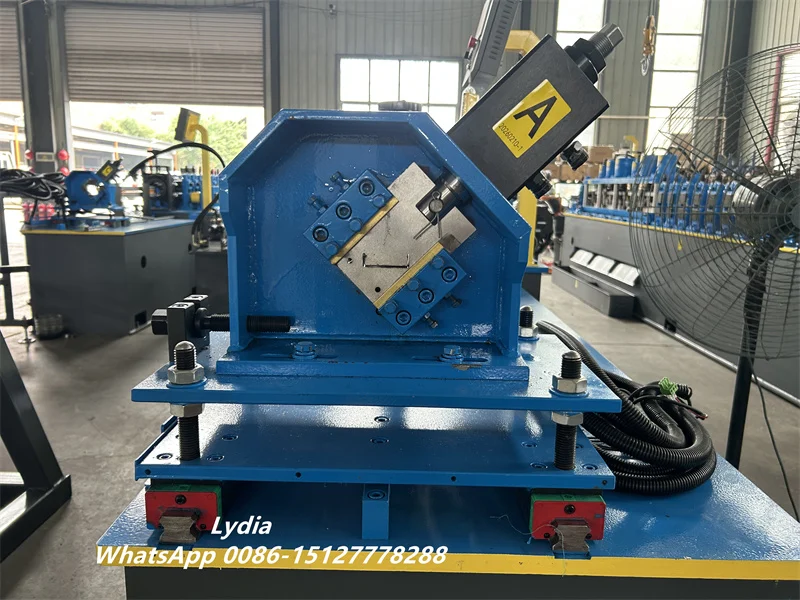
Induction Hob Frame Production Line
The automatic frame production line provides a modern, automated solution for high-precision appliance frame production. By integrating punching, forming, cutting, and optional shaping functions into a single production line, it enables manufacturers to achieve stable quality and efficient output.
With its strong adaptability, continuous production capability, and intelligent control system, this equipment is well suited for companies aiming to upgrade from traditional processing methods to advanced automated manufacturing.
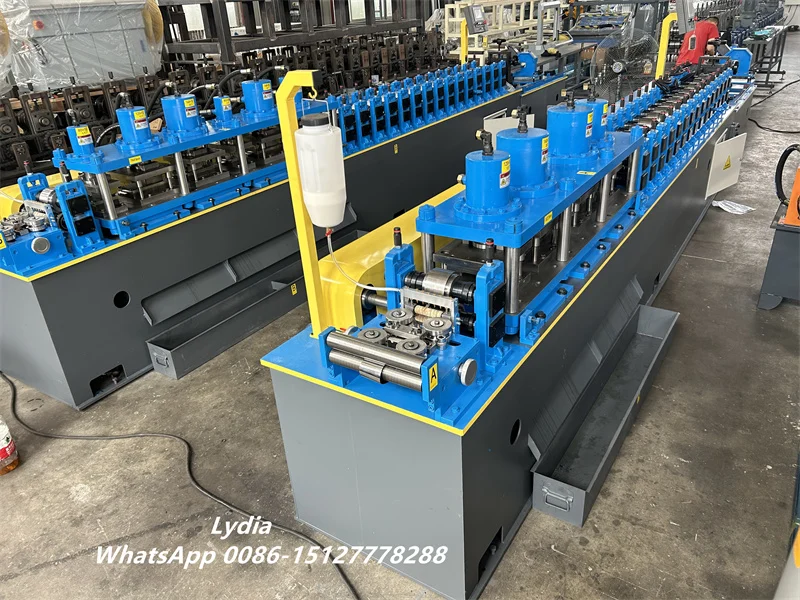
Gas Cooker Frame Machine
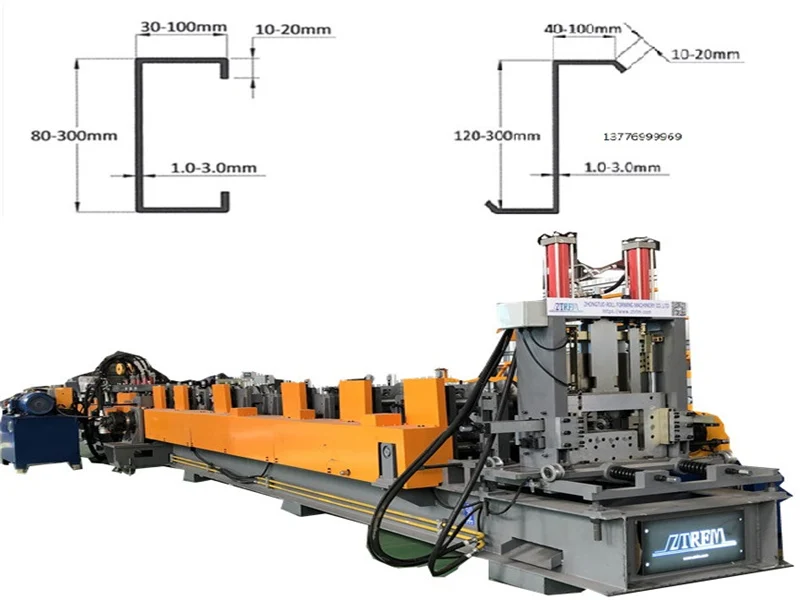
The CZ Purlin Roll Forming Line produces C and Z purlins from 1–3 mm steel
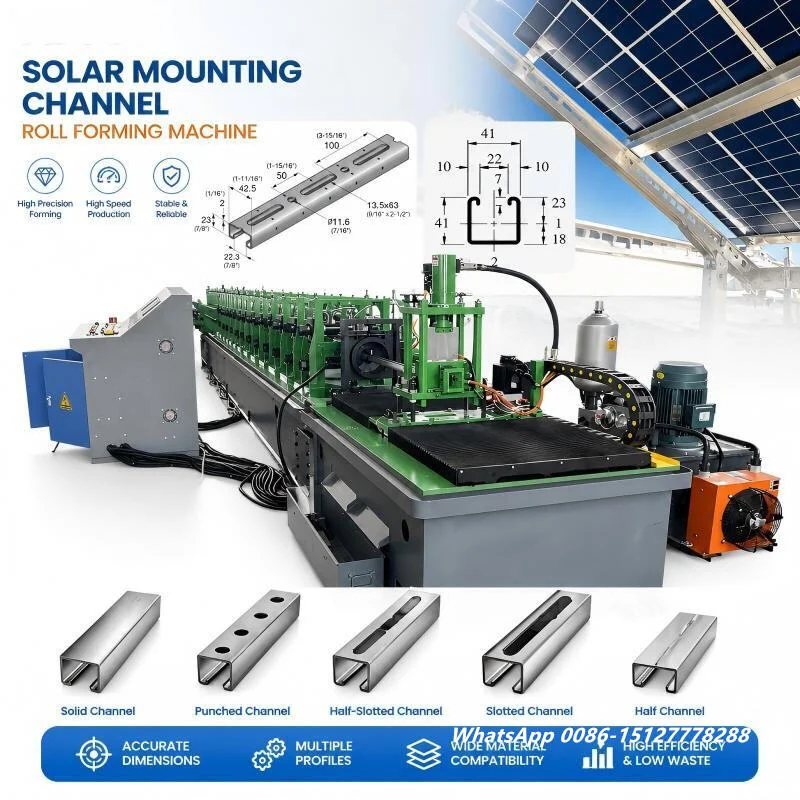
The Solar Mounting System Profile Production Line runs one profile family end to end —
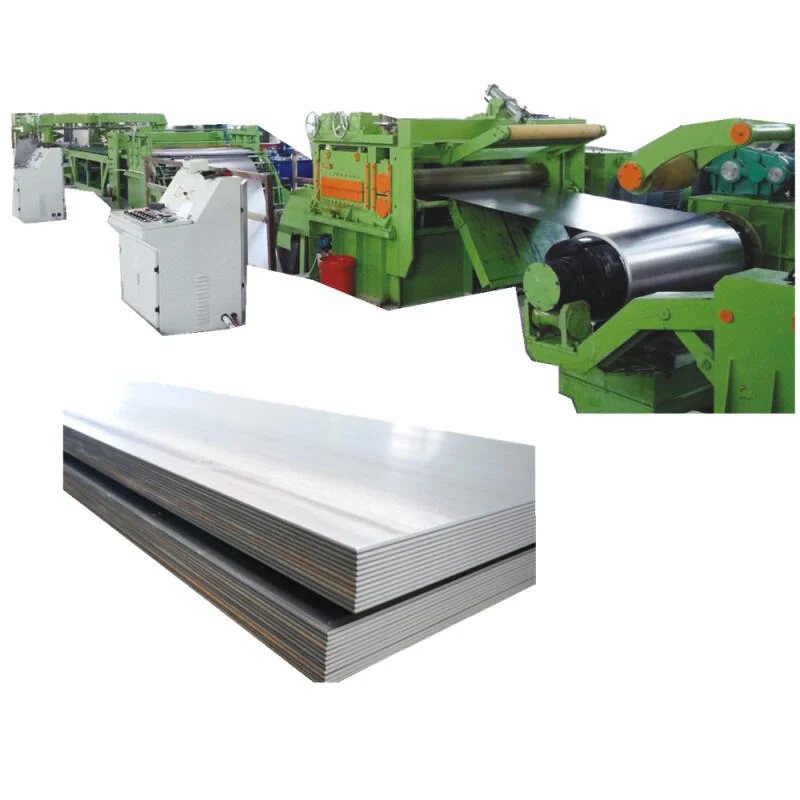
The ZT-3.2×1500 Automatic Cut to Length Line uncoils, straightens, cuts to length and stacks steel
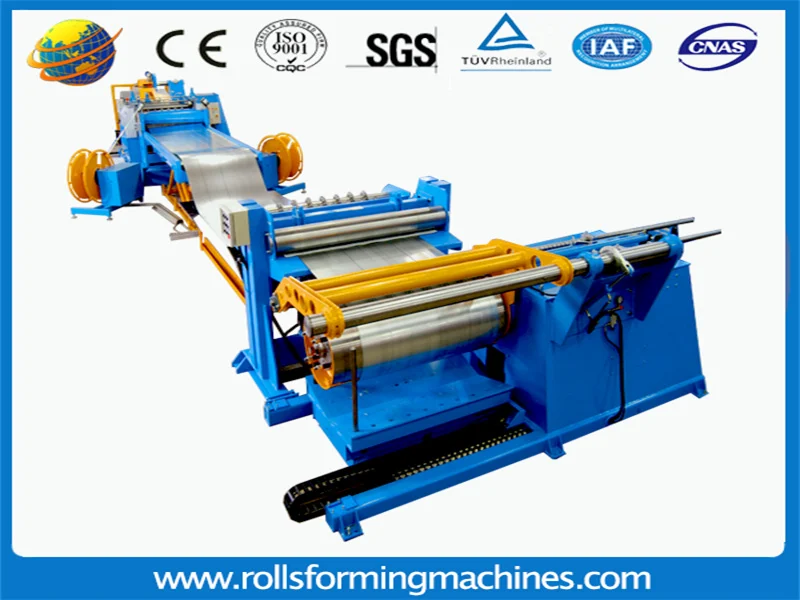
The ZT-4×1500 Hydraulic Slitting Line converts one master steel coil up to 15 t into
Why choose us?
Global Trust: Trusted By Customers In Over 156+ Countries And Regions, Our Roofing Sheet Making Machines Are Recognized For Their Outstanding Performance And Reliability Worldwide.